

At Warren Larkin Associates, we always believe in the transformative power of trauma-informed practice — not just in health or education, but across every area where people interact with systems and services. Recently, our associates Justin and Rob had the privilege of bringing this vision to life once again through a powerful series of trauma-informed training sessions with our dedicated colleagues working in housing services at Mansfield Council.
Resilience and Trauma Informed Practice
On the Ground in Mansfield
The first session took place face-to-face in Mansfield, where Justin Srivastava and Robert Dickinson led an engaging foundation course on trauma, adversity, resilience and trauma-informed practice. Attendees represented a wide range of housing roles — from homelessness prevention to supported accommodation, domestic abuse services, and recovery services. This diverse group of professionals shared a common goal: providing a safe secure base and living support for people facing a range of challenges.
Reflecting on the day, Justin described the session as “fantastic,” noting the high level of engagement and the depth of discussion in the room. The training explored the neurobiology of the stress response, the impact of childhood adversity and subsequent trauma as well as foundational trauma-informed principles. The session also covered resilience and the role of relationships in recovery and wellbeing. As always time was dedicated to professional resilience planning and avoiding burnout and secondary trauma was explored.
Justin summed up the session by saying, “Working with such passionate professionals, committed to helping their communities in Nottinghamshire, was an absolute privilege. The amount of shared knowledge in the room was fantastic — and it reminded us just how important it is to create space for learning, sharing, and reflecting together.”
Resilience and Trauma Informed Practice
Continuing the Conversation Online
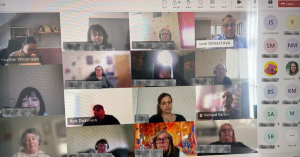
Building on the momentum of the in-person session, the team followed up with an online delivery session. The digital format didn’t dampen the enthusiasm. In fact, it amplified it.
The conversation took a deep dive into trauma-informed leadership, the principles of resisting re-traumatisation, and the value of reflective practice. Once again, the feedback was powerful. Participants expressed a strong appetite to move from knowledge into action — to apply what they had learned in practical, meaningful ways in both individual and organisational contexts.
Justin and Rob were also joined by two of WLA’s newest team members, Heather Whitehead and Richard Barber, adding some valuable insights to the discussion. The session served not just as a training opportunity, but as a platform for cross-service connection, compassionate inquiry, and shared learning.
Resilience and Trauma Informed Practice
Why Trauma-Informed Practice in Housing Matters
There is an extensive evidence base that shows the impact of Adverse Childhood Experiences (ACEs) on child development and later life outcomes. Multiple studies link a history of childhood advertises with increased risk of homelessness. It’s essential that the housing sector provides services and policies that are shaped from a trauma informed perspective.
Housing services often face a lot of pressure and deal with residents and tenants with a range of needs, vulnerabilities and complexities. Housing sector workers perform a wide of roles from collecting rent and managing repairs to addressing anti-social behaviour and providing support for vulnerable tenants. For many service users, their personal histories trauma, adversity, or systemic disadvantage mean that maintaining a tenancy can be challenging and feel overwhelming. This is why it is essential that housing sector staff understand the prevalence of trauma, the various forms of impact and many routes to recovery and wellness.
The reality is that trauma affects both residents and staff. Studies show that around one in half of adults in England have experienced at least one traumatic event growing up with 1 in 10 people experiencing 4 or more ACEs. These adverse childhood experiences, (in the absence of adequate resilience factors) are associated with higher levels of physical health, mental health and social problems. People with higher levels of exposure to ACEs are at higher risk than those without ACEs of experiencing housing instability, addiction, relationship breakdown, and financial hardship.
Resilience and Trauma Informed Practice
The Trauma of Homelessness
Homelessness itself is not only a result of trauma — it is a traumatic experience in and of itself. The loss of home, safety, and stability can significantly impact a person’s sense of identity and wellbeing. For many, the path into homelessness is shaped by earlier experiences of abuse, neglect, domestic violence, or systemic disadvantage. Once a person is without stable housing, they are at increased risk of further victimisation, exploitation, and retraumatisation — whether through unsafe environments, lack of support, or the constant stress of survival.
As highlighted by The Open Health Services and Policy Journal (2010), these cycles are deeply entrenched and require responses that are both compassionate and informed. Trauma-informed care begins with a fundamental understanding: individuals experiencing homelessness have often endured significant trauma. A trauma-informed approach seeks to acknowledge the impact of those experiences and respond with sensitivity, respect, and care. The goal is to create environments where people in crisis can begin to regain a sense of trust, confidence, and safety in the world around them.
Resilience and Trauma Informed Practice
A More Human Housing Experience
Trauma-informed approaches in housing shift the focus from “What’s wrong with you?” to “What happened to you?” This simple but powerful reframing allows professionals to respond with empathy, curiosity, and care. A trauma informed organisational approach can contribute to improved relationships, greater resident engagement, fewer complaints, and better outcomes for everyone involved.
A trauma informed ethos also has the potential to benefit workplace culture. When staff feel heard, supported, skilled and equipped with the tools to manage residents needs but also to take meaningful steps to avoid secondary trauma and burnout, the ripple effects extend to every corner of the organisation. Trauma-informed organisational practice, supportive relationships with managers and leaders, as well as reflective practice opportunities are essential ingredients in building truly resilient teams.
Resilience and Trauma Informed Practice
What Comes Next?
Training is a vital part of the journey — and Justin and Rob’s sessions in Mansfield have set a strong foundation. But long-term change will come from embedding these principles across systems: from senior leadership buy-in to co-designed services informed by lived experience, and ongoing evaluation of what’s working.
At Warren Larkin Associates, we’re committed to helping housing professionals understand the impact of trauma, build resilience, and create safe, supportive environments for the people they serve. Our work with Mansfield District Council and longstanding partnership with multi-agency services across Nottinghamshire illustrates what can be achieved when committed individuals come together to create meaningful change. Thank you to everyone who took part, shared their experiences, and engaged so passionately in the sessions.
By embedding trauma-informed practice across housing services, we can support people not only to feel safe but to develop the resilience they need to heal, recover, and lead healthy, fulfilled lives. Addressing the impact of trauma and working to prevent future harms is a hug opportunity to improve health and wellbeing for individuals, families, communities and for the dedicated staff working across the different services within the housing sector.
Want some help in implementing trauma-informed approaches in your service? Get in touch with Lisa@warrenlarkinassociates.co.uk to book a call today. You can also visit our website Warren Larkin Associates
Leave A Comment